
Green bonds are financial instruments designed to raise funds for projects that deliver positive environmental impacts.
Key facts and trends in renewable energy
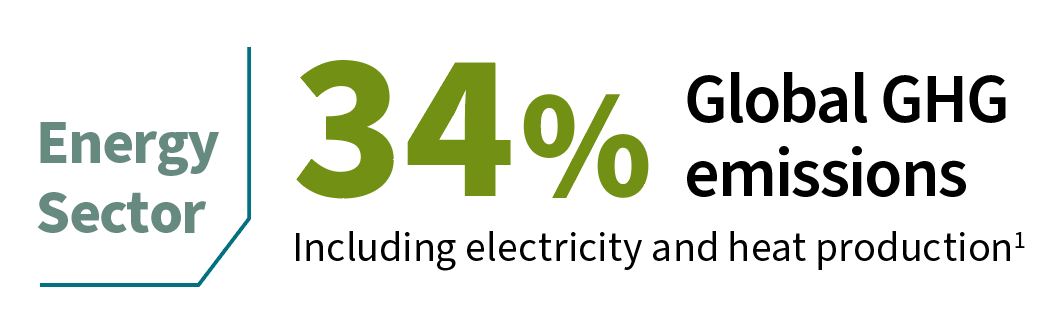

The road to net zero by 2050
To reach Net Zero by 2050, approximately US$4.5 trillion is required annually by 20303, mostly in renewable power, grids, storage, and efficiency. In 2024, global investments in clean energy totaled approximately US$ 1.7 trillion4, suggesting a shortfall of US$2-2.8 trillion annually.

Where do green bonds fit in?
Smart Energy Solutions
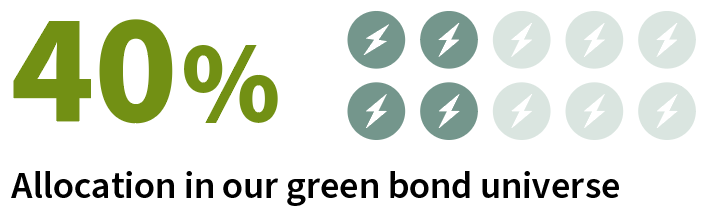
Eligible Projects Financed
- Renewable energy (solar, wind power generation, hydropower with sustainability safeguards)
- Grid infrastructure upgrades and interconnections
- Battery and storage projects
Case study
Colbún S.A. – A Green Revolution in Chile
Colbún S.A. is a major Chilean electric utility company that produces, transmits, and distributes electricity primarily across the central and southern regions of Chile. The company is committed to achieving carbon neutrality by 2050 and plans to phase out from coal by 2040, with the closure of its last coal power plant.
Its Green Financing Framework, published in 2021, supports projects that enhance energy efficiency and promote renewable energy. The company has also implemented adequate measures to manage and mitigate potential environmental and social risks associated with the projects financed under this framework.
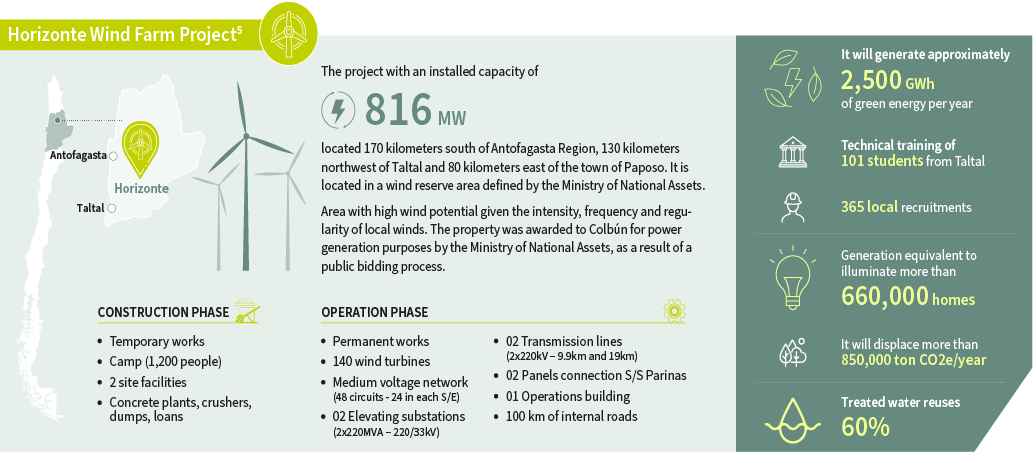
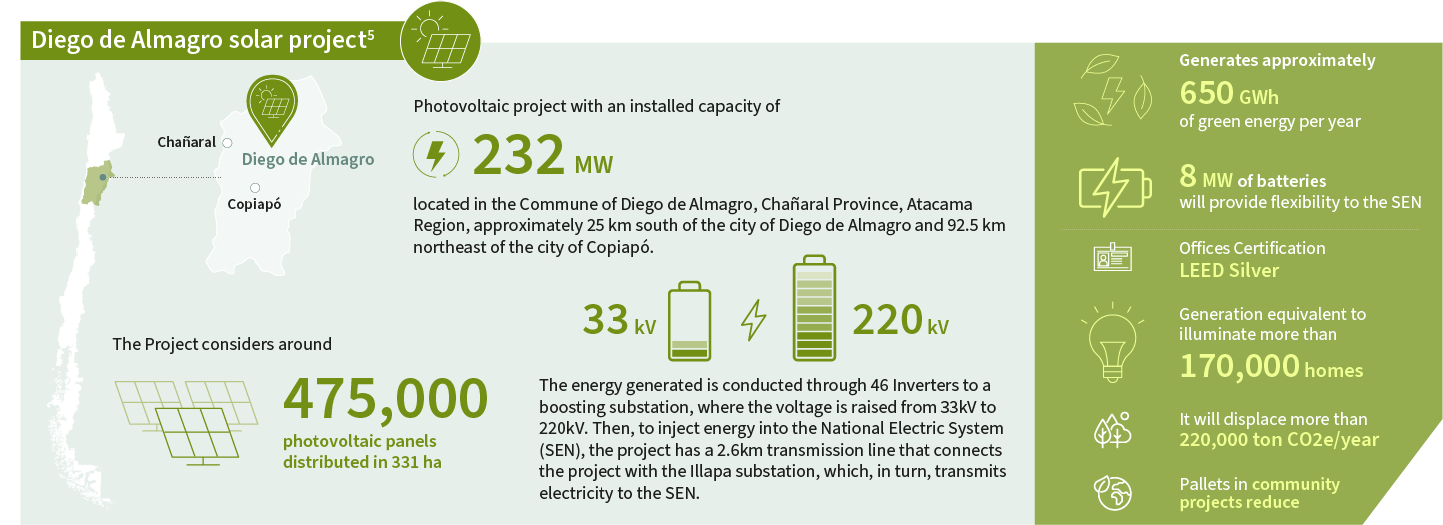
By issuing its first green bond, Colbún is financing two major projects focused on wind and solar energy. The Horizonte Wind Farm project harnesses strong winds to generate large-scale energy, while the Diego de Almagro solar project produces solar energy combined with battery storage for enhanced grid flexibility. Together, these initiatives aim to reduce carbon emissions by over 1 million tonnes annually, create hundreds of jobs, and engage local communities through training and supplier inclusion, all while supporting Chile’s ambitious climate goals.
Green bonds are one of the most appropriate debt instrument to accompany issuers committed to transition to a low carbon economy. It supports the decarbonization of the energy sector by channeling capital towards projects that reduce GHG emissions and provide investors with a higher level of transparency and measurability. Contact us to explore more.
Sources:
[1]Source: Global Greenhouse Gas Overview by United States Environmental Protection Agency. Data from IPCC (2022)
[2]Source: IEA https://www.iea.org/data-and-statistics/data-tools/greenhouse-gas-emissions-from-energy-data-explorer
[3]Source: World Economic Forum IEA: Clean energy investment must reach $4.5 trillion per year by 2030 to limit global warming to 1.5°C | World Economic Forum
[4]Source: IEA’s World Energy Investment 2023
[5]Source: Colbun’s Green Bond Impact Report June 2023


